Aviation Switching Module – NSN 4920-01-250-2696 (AS-IS / Untested): Aerospace Electrical Control Component
Aviation Switching Module – NSN 4920-01-250-2696 (AS-IS / Untested): Aerospace Electrical Control Component
Blog Article
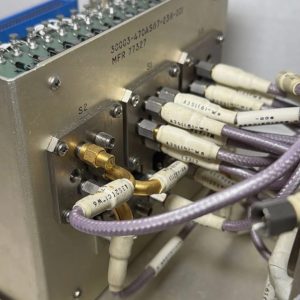
The Aviation Switching Module – NSN 4920-01-250-2696 (AS-IS / Untested) may be suitable for bench evaluation, training displays, component research, restoration work, parts harvesting, or inventory replacement after exact application verification.
An Aircraft Switching Module may interact with test equipment, aircraft systems, electrical circuits, or support hardware, while an Aerospace Switching Module should not be energized without suitable technical information.
An Aircraft Electrical Switching Module, Aviation Electrical Control Module, Aircraft Power Switching Module, Aerospace Electrical Control Unit, and Aircraft Signal Switching Module may describe related switching or control functions, but the exact purpose of this NSN should be verified before use.
Accurate use of Aviation Control Module, Aircraft Electronic Switching System, Aerospace Switching Unit, and Aircraft Electrical Module terminology improves SEO without creating unsupported functional claims.
Key Details of the Untested Switching Module
The seller should provide clear photographs of every label, marking, connector, switch, control, mounting point, enclosure surface, and included accessory.
The exact manufacturer, model number, electrical specifications, switching functions, and associated equipment should be confirmed through reliable technical references whenever available.
Untested Switching Module Condition
Internal faults, missing components, damaged wiring, corrosion, previous modification, storage deterioration, or electrical failure may be present even when the exterior appears clean.
Professional evaluation protects the module, technician, test equipment, and any associated aerospace system.
Aircraft Circuit Selection Equipment
Application accuracy protects buyers from assuming that a broadly named Aircraft Switching Module will fit their project.
A detailed visual inventory supports informed evaluation of the Aircraft Switching Module.
Rugged Aviation Module Design
Careful exterior evaluation can reveal evidence of previous use or damage before the unit is opened.
Unknown connectors should not be forced into visually similar plugs.
Inspecting Aviation Module Wiring
External condition cannot confirm the state of hidden relays, contacts, circuit boards, wiring, or internal components.
Loose wires, nonstandard components, replaced relays, cut conductors, or evidence of field repair should be recorded.
Aircraft Electrical Control Applications
An Aviation Electrical Control Module can coordinate or select electrical functions within a compatible aviation or support-equipment system, depending on its documented design.
Control labels and switch legends can provide useful clues, but they should not be used as the only source of technical identification.
Choosing an Aircraft Power Switching Module
Current capacity, voltage, duty cycle, contact type, protection requirements, and load characteristics should be confirmed before testing.
Any successful limited test should be documented precisely without changing the overall status beyond what was actually verified.
Choosing an Aerospace Electrical Control Unit
Visual inspection, continuity checks, insulation review, component identification, and controlled testing may form part of a professional evaluation.
Every repair should be photographed and recorded if the module is restored.
Aircraft Signal Switching Module Uses
An Aircraft Signal Aerospace Switching Module Switching Module may route low-level, control, communication, measurement, or test signals between compatible equipment channels.
A complete accessory inventory improves the commercial presentation of the Aircraft Signal Switching Module.
Choosing an Aviation Control Module
Associated wiring, power supplies, interfaces, switches, displays, sensors, test sets, or aircraft equipment may be required for meaningful operation.
Accurate configuration review reduces the risk of an unsuitable Aviation Control Module acquisition.
Commercial Value of an Untested Switching Unit
Its value depends on identity, completeness, cosmetic condition, connector integrity, internal status, rarity, and availability of documentation.
The equipment should remain clearly labeled as untested and unsuitable for operational installation without evaluation.
Aerospace Power Distribution Module Considerations
Internal conductive components can corrode or loosen during storage.
Additional mounting holes should not be drilled until the component application is established.
Aircraft Electrical Control Unit Inspection
Documented condition improves confidence among buyers of legacy Aircraft Electrical Control Unit equipment.
Continuity measurements, insulation checks, contact-resistance testing, and component examination may be appropriate when performed by qualified personnel.
Aviation Power Control Module Uses
Broad market keywords can support discovery while the technical description remains precise.
Technicians should inspect for capacitors, transformers, relays, damaged insulation, or hazardous residues before opening or testing the unit.
Aviation Switching System Troubleshooting
An Aircraft Electronic Switching System may consist of multiple modules, harnesses, control panels, relays, indicators, power sources, and associated equipment.
Professional analysis supports responsible Aircraft Electronic Switching System maintenance.
Long-Term Storage of Aircraft Electronics
Connector caps should remain fitted, and the module should be supported without placing pressure on switches, knobs, cables, or mounting brackets.
Original packaging should receive additional protection rather than being used as the only shipping container.
Commercial Inspection of an Electrical Module
AS-IS equipment may offer attractive value when the purchaser has the knowledge and resources required for evaluation.
Remote buyers should request current photographs of the actual unit instead of relying on catalog images or pictures of similar equipment.
Evaluating an AS-IS Aircraft Switching Unit
The buyer should request enough information for an aviation electronics technician, aerospace-equipment specialist, or experienced surplus buyer to evaluate the unit.
- Determine whether cables, plugs, manuals, test leads, mounting hardware, storage cases, or companion components are included.
- Do not interpret clean appearance, smooth switch movement, or intact labels as proof of electrical operation.
- Retain purchase records, photographs, labels, research, testing notes, and repair documentation with the module.
Professional Bench Evaluation
A methodical process reduces the risk of damaging rare aviation equipment.
Powered testing should proceed gradually while monitoring current, temperature, smell, noise, indicators, and unexpected behavior.
Repairing Legacy Aviation Control Hardware
Restoration should begin with condition documentation, careful cleaning, technical research, component identification, fault isolation, and repair planning.
Accurate records support future maintenance and responsible resale.
Final Thoughts on the Untested Aircraft Switching Module
When responsibly inspected, stored, tested, repaired, and documented, the Aviation Switching Module – NSN 4920-01-250-2696 (AS-IS / Untested) can remain a valuable aerospace electrical component.
An experienced aviation-electronics technician should assess the module before it is powered, installed, or connected to other equipment.
Whether customers search for an Aircraft Electronic Switching System, Aerospace Switching Unit, or Aircraft Electrical Module, broad terminology should not replace technical application research.
With prompt attention to switches, connectors, wiring, enclosure condition, corrosion, labels, and internal components, the module can preserve its technical and commercial potential.
Report this page